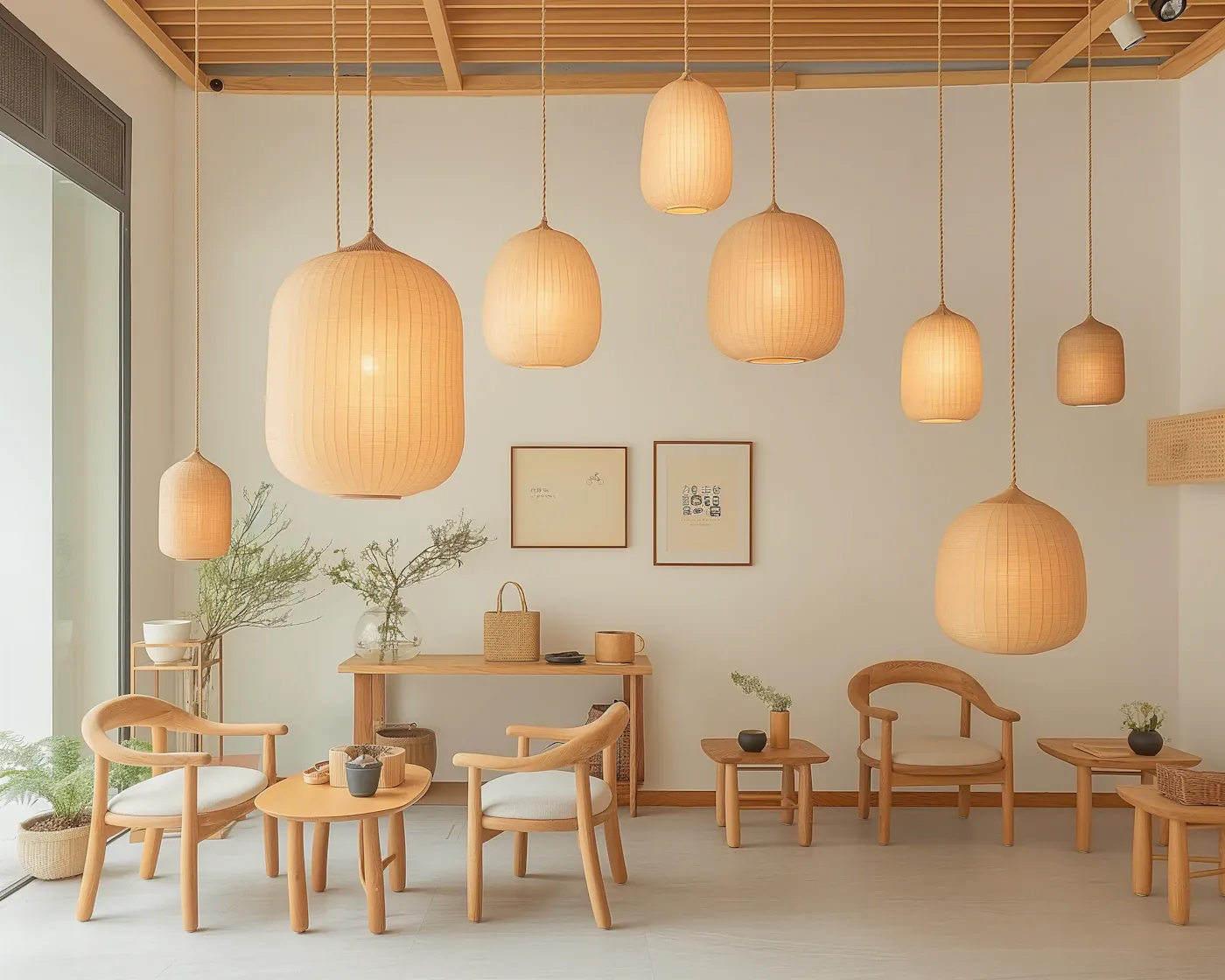
Eleven people,
four houses a year.
Interion began in 2014 as two people and a drawing board above a joinery workshop in SoHo. We have grown deliberately slowly ever since.

Small studio,
long horizons.
Enough hands to detail a whole house properly, few enough that nobody is ever handed a project they did not help imagine. It is not a growth strategy — it is the only way we know to keep the work honest.
We turn down more than we take. That is uncomfortable to say out loud, but it is what allows the four houses we do accept to get the attention they were promised.
Daylight before decoration
We survey the light in a house across a full day before we open a single sample book. Everything after that is in service of it.
One team, start to finish
The person who draws your plan is on site the week the joinery lands. No account managers, no handovers, no telephone game.
Materials that earn their keep
Nothing is specified that we have not seen made, touched, and watched age for at least a year in someone’s home.
Fees that don’t reward excess
A fixed sum quoted after the survey. We never take a percentage of your furniture spend, so the cheaper answer is never against our interest.





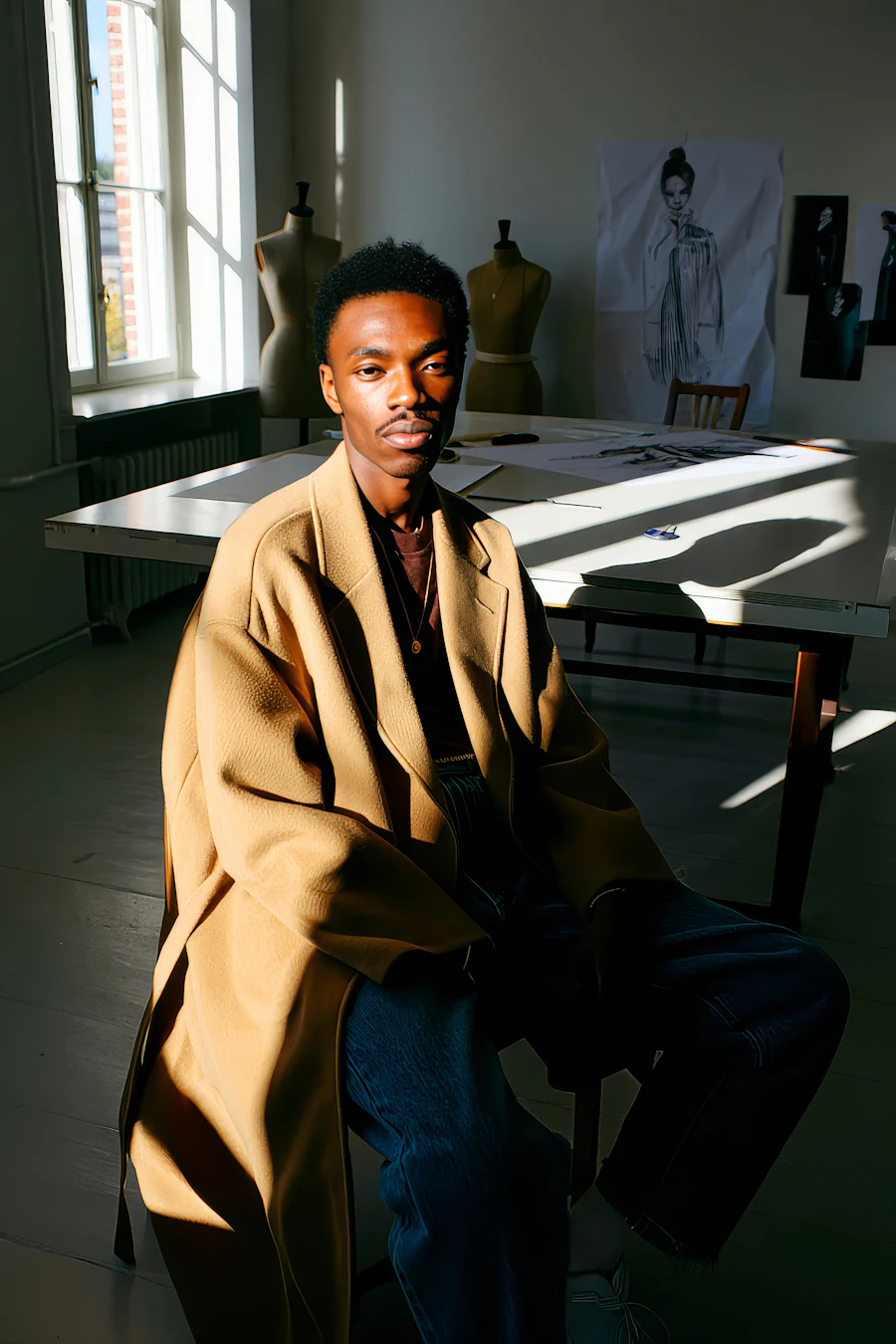
Twelve years,
told briefly.
The version we give when someone asks over dinner.
Two people, one drawing board
Anders and a borrowed desk above a joinery workshop on Wooster Street. The first commission was a single kitchen.
The first whole house
A Federal townhouse in the West Village, taken from survey to styling. It set the four-stage process we still use unchanged.
Los Angeles opens
Kaito joins and a second studio follows, largely because three of our clients that year happened to be in California.
The four-house rule
We cap intake at four projects a year and stop pitching entirely. Revenue drops for eighteen months. The work gets visibly better.
Working in Japan
Tea House Annexe in Nara — our first project abroad and the beginning of a long conversation about restraint.
Eleven people, forty-two houses
Still four a year, still no pitching, still above a workshop — though we now own the building.